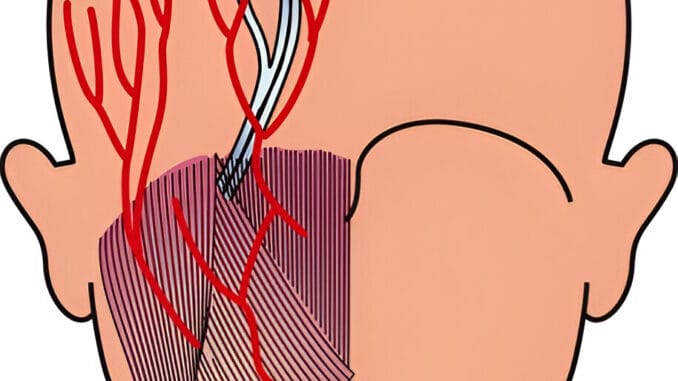
Occipital nerve blocks are a minimally invasive treatment option that can provide significant relief for individuals suffering from various types of headaches and neck pain. This guide aims to provide a detailed overview of occipital nerve blocks, including the mixtures used, their mechanism of action, and the types of patients who can benefit from this procedure. Whether you are a patient considering this treatment or a healthcare provider looking to understand its applications, information here will serve as a valuable resource.
What Are Occipital Nerve Blocks?
Definition and Overview
Occipital nerve blocks are a medical procedure in which a local anesthetic and sometimes a corticosteroid are injected into the area surrounding the greater and lesser occipital nerves. These nerves are located at the base of the skull and are responsible for transmitting pain signals from the back of the head and neck to the brain. By blocking these nerves, the procedure aims to reduce or eliminate pain in these regions.
Historical Context
The use of occipital nerve blocks for pain management dates back to the early 20th century. However, it was not until the 1990s that the technique gained widespread acceptance and began to be used more frequently in clinical settings. Over the years, advancements in medical technology and a deeper understanding of nerve anatomy have refined the procedure, making it more effective and safer.
The Role of Occipital Nerve Blocks
Pain Management
Occipital nerve blocks are primarily used for pain management, particularly for conditions where the occipital nerves are involved. These conditions include:
- Cervicogenic Headaches: Pain that originates from the neck and radiates to the head.
- Occipital Neuralgia: A condition characterized by chronic pain in the back of the head and neck, often described as a sharp, shooting, or stabbing sensation.
- Migraines: While not a primary treatment, occipital nerve blocks can provide temporary relief for patients with migraine headaches.
- Cluster Headaches: Intense, recurrent headaches that are often localized around one eye or the temple.
Diagnostic Tool
In addition to pain management, occipital nerve blocks can serve as a diagnostic tool. If a patient experiences significant pain relief following the block, it can confirm that the occipital nerves are indeed the source of the pain, guiding further treatment decisions.
Preventative Measure
For some patients, occipital nerve blocks can act as a preventative measure. Regular injections may help reduce the frequency and intensity of headaches, improving the quality of life for those who suffer from chronic pain conditions.
Occipital Nerve Block Mixtures
Common Injectables
The effectiveness of an occipital nerve block depends on the injectable solution used. Common mixtures include:
- Local Anesthetics: These are the primary components of the injection and provide immediate pain relief by numbing the nerve. Common local anesthetics used include lidocaine and bupivacaine.
- Corticosteroids: These are anti-inflammatory agents that can provide prolonged pain relief by reducing inflammation around the nerve. Methylprednisolone and triamcinolone are frequently used corticosteroids.
- Saline Solution: Sometimes used as a diluent to spread the medication more effectively.
Customized Mixtures
In some cases, healthcare providers may customize the mixture based on the patient’s specific condition and needs. For example, a patient with severe inflammation might receive a higher concentration of corticosteroids, while a patient with acute pain might benefit more from a higher concentration of local anesthetic.
Safety Considerations
While generally safe, the use of these mixtures is not without risks. Potential side effects include infection, bleeding, and nerve damage. It is crucial for healthcare providers to use sterile techniques and precise injection techniques to minimize these risks.
How Occipital Nerve Blocks Work
Mechanism of Action
The mechanism of action for occipital nerve blocks involves several steps:
- Local Anesthetic Injection: The local anesthetic temporarily blocks the transmission of pain signals from the occipital nerves to the brain, providing immediate relief.
- Corticosteroid Action: If a corticosteroid is included, it begins to work by reducing inflammation around the nerve. This can provide longer-lasting pain relief, often extending beyond the duration of the local anesthetic.
- Nerve Relaxation: The injection can also help relax the muscles in the neck and scalp, which can further reduce pain and tension.
Duration of Effects
The duration of pain relief from an occipital nerve block can vary. Local anesthetics typically provide relief for a few hours to a few days, while corticosteroids can offer relief for several weeks to months. The exact duration depends on the individual patient and the specific condition being treated.
Repeated Treatments
For some patients, a single occipital nerve block may be sufficient to provide long-term relief. However, others may require repeated treatments to maintain pain control. The frequency of these treatments can be determined by the healthcare provider based on the patient’s response and the nature of their condition.
Who Will Benefit from Occipital Nerve Blocks?
Patients with Chronic Headaches
Patients who suffer from chronic headaches, such as cervicogenic headaches and occipital neuralgia, often find significant relief from occipital nerve blocks. These conditions can severely impact daily activities and quality of life, and the block can provide a much-needed respite.
Patients with Migraines
While occipital nerve blocks are not a first-line treatment for migraines, they can be beneficial for patients who do not respond well to other treatments. The block can help break the cycle of chronic migraines and reduce the frequency and intensity of attacks.
Patients with Cluster Headaches
Cluster headaches are known for their intensity and frequency, and occipital nerve blocks can be an effective treatment option. The block can provide immediate relief and may help prevent future attacks when used as part of a comprehensive treatment plan.
Patients with Post-Traumatic Headache
Headaches that develop after a head or neck injury can be particularly challenging to manage. Occipital nerve blocks can help reduce pain and inflammation in these cases, providing relief and aiding in recovery.
Patients with Tension Headaches
Tension headaches, characterized by a feeling of tightness or pressure around the head, can also benefit from occipital nerve blocks. The relaxation of neck and scalp muscles can help alleviate the tension and reduce pain.
Procedure and Administration
Pre-Procedure Preparation
Before undergoing an occipital nerve block, patients should:
- Undergo a Physical Examination: To determine the exact location of the nerves and assess the underlying condition.
- Discuss Medical History: Patients should inform their healthcare provider about any allergies, medications, and previous medical procedures.
- Follow Pre-Procedure Instructions: This may include avoiding certain medications, fasting, and arranging for transportation after the procedure.
Administration of the Block
The procedure for administering an occipital nerve block is relatively straightforward:
- Patient Positioning: The patient is usually seated or lying face down, with the head slightly forward.
- Sterilization: The injection site is cleaned with an antiseptic solution to prevent infection.
- Local Anesthesia: A small amount of local anesthetic is injected to numb the skin and underlying tissues.
- Injection: Using a fine needle, the healthcare provider injects the local anesthetic and corticosteroid mixture around the greater and lesser occipital nerves.
- Monitoring: The patient is monitored for a short time after the injection to ensure there are no immediate adverse reactions.
Post-Procedure Care
Following the procedure, patients should:
- Monitor for Side Effects: Common side effects include temporary numbness, dizziness, and mild soreness at the injection site.
- Avoid Strenuous Activity: Patients are advised to avoid heavy lifting and strenuous activities for a day or two.
- Follow Up: A follow-up appointment may be scheduled to assess the effectiveness of the block and determine if further treatment is necessary.
Potential Risks and Complications
Common Side Effects
While generally safe, occipital nerve blocks can have some side effects, which include:
- Temporary Numbness: This is a common and expected side effect that usually resolves within a few hours.
- Dizziness: Some patients may experience dizziness or lightheadedness, which can be managed by resting.
- Soreness: Mild soreness at the injection site is common and can be treated with over-the-counter pain medication.
Rare Complications
More serious complications are rare but can occur. These include:
- Infection: Proper sterilization techniques significantly reduce the risk of infection.
- Bleeding: While rare, bleeding can occur at the injection site.
- Nerve Damage: Precise injection techniques help minimize the risk of nerve damage, but it is still a potential complication.
Contraindications
Occipital nerve blocks may not be suitable for all patients. Contraindications include:
- Infection at the Injection Site: Presence of an infection can increase the risk of complications.
- Allergies to Injectables: Patients with known allergies to local anesthetics or corticosteroids should not undergo the procedure.
- Pregnancy: The safety of occipital nerve blocks during pregnancy has not been fully established, and alternative treatments may be recommended.
Conclusion
Occipital nerve blocks offer a valuable treatment option for patients suffering from various types of headaches and neck pain. By understanding the mixtures used, the mechanism of action, and the potential benefits and risks, patients and healthcare providers can make informed decisions about this procedure. For many, occipital nerve blocks provide a safe and effective way to manage pain and improve quality of life. If you are considering this treatment, it is essential to consult with a qualified healthcare provider to discuss your specific needs and determine if an occipital nerve block is right for you.
Be the first to comment