Whether you’re a seasoned traveler or planning your first big adventure, Japan is a destination that promises to enchant and surprise at every turn. This travel guide will take you through the must-see attractions, provide practical tips, and ensure you stay safe on your journey. So, grab a cup of tea, get comfortable, and let’s dive into the wonders of Japan!
Discovering Japan: A Land of Contrasts
1. The Timeless Beauty of Kyoto
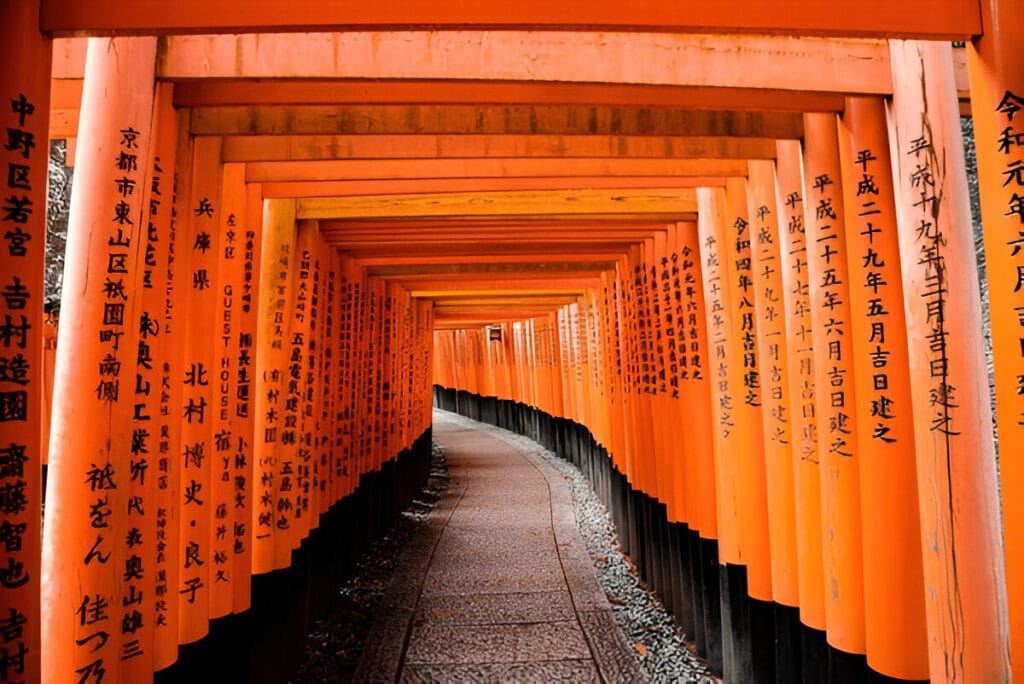
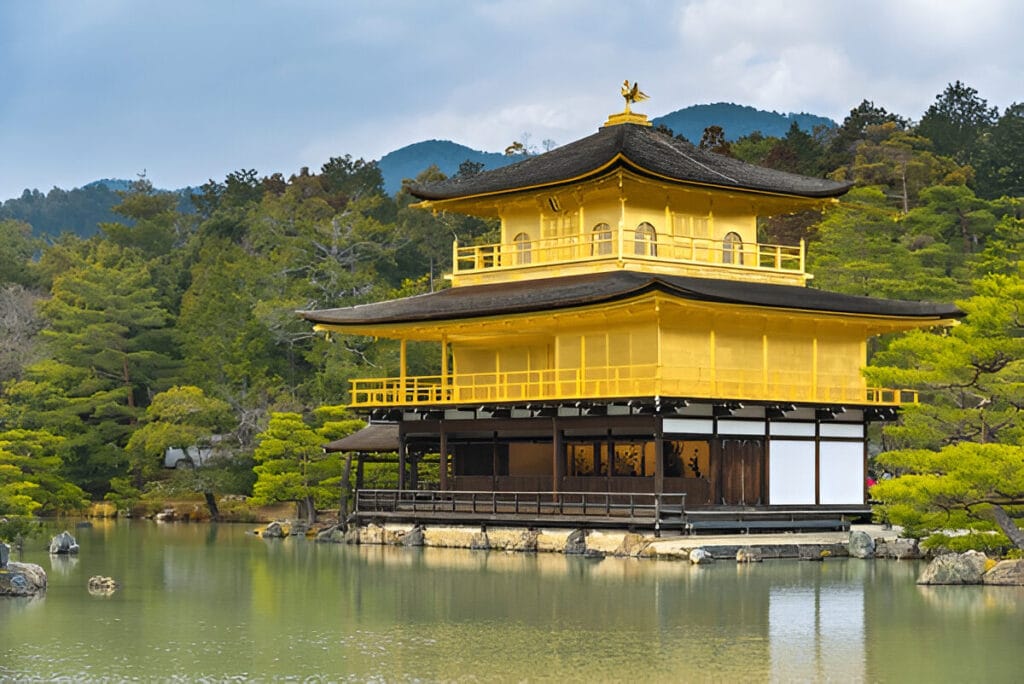
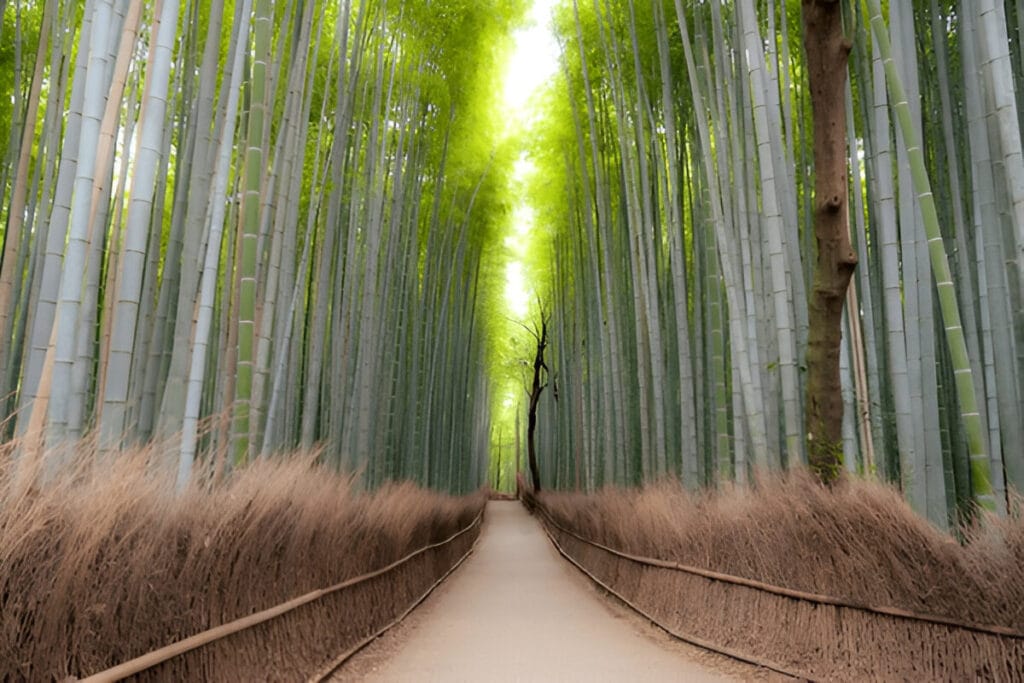
Kyoto, the heart of traditional Japan, is a city that seems to have stepped out of a fairy tale. With over 1,000 temples and shrines, it’s a living museum of Japanese culture. Start your visit at the iconic Fushimi Inari Shrine, known for its thousands of vermilion torii gates that wind through the forested Inari Mountain. For a more serene experience, head to Kinkaku-ji, the Golden Pavilion, and its tranquil reflection pond. Don’t miss the Arashiyama district, where you can stroll through the bamboo groves and enjoy a cup of matcha at a traditional tea house.
2. Tokyo: The Future Meets the Past
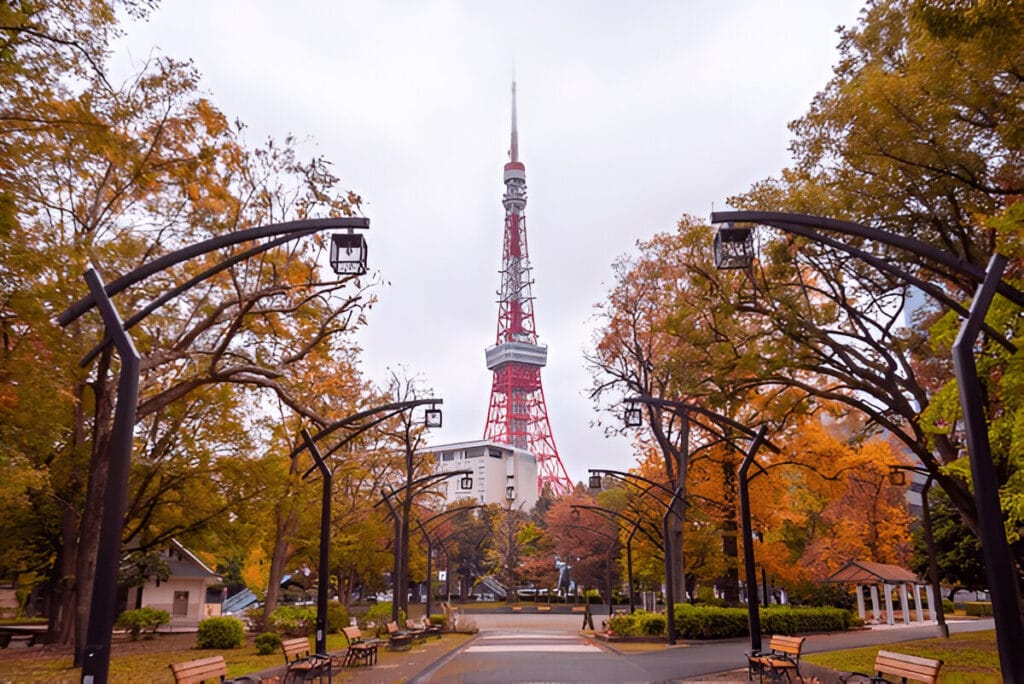
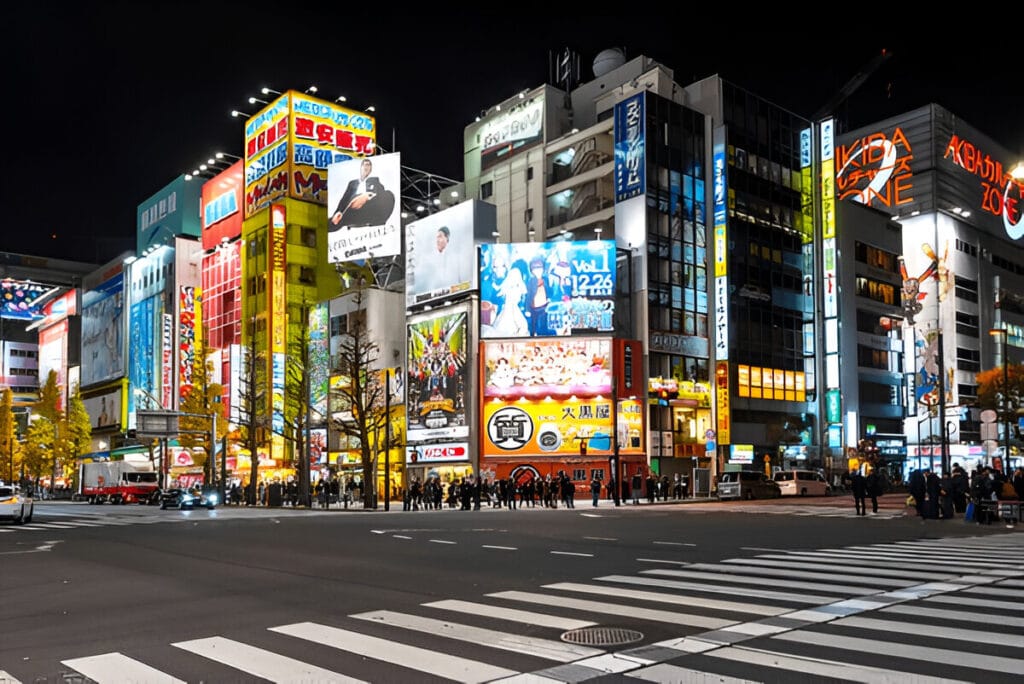
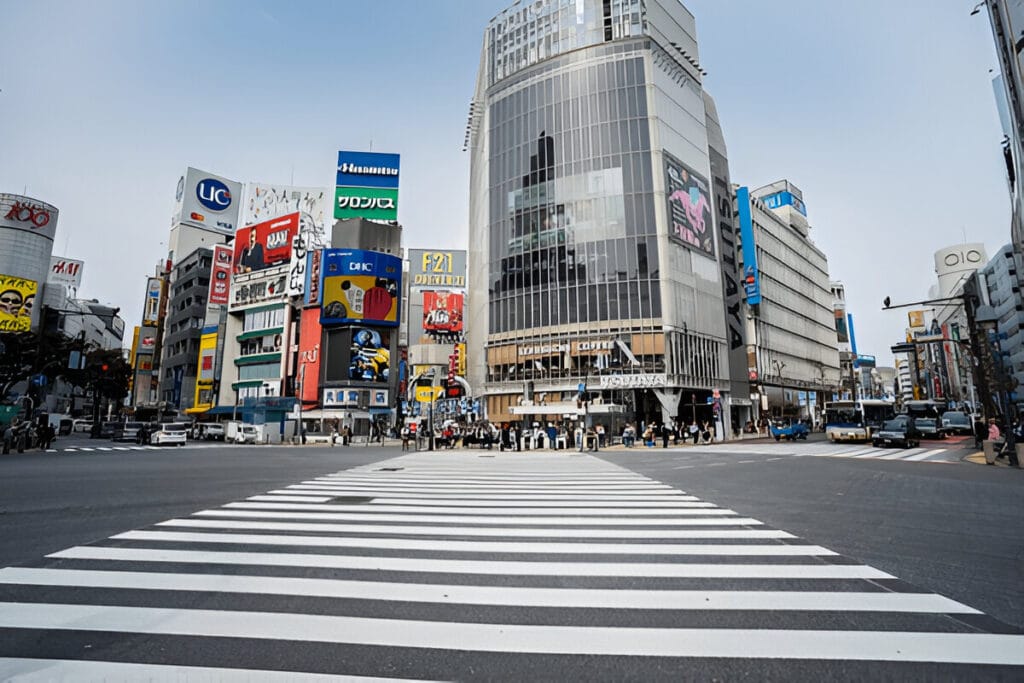
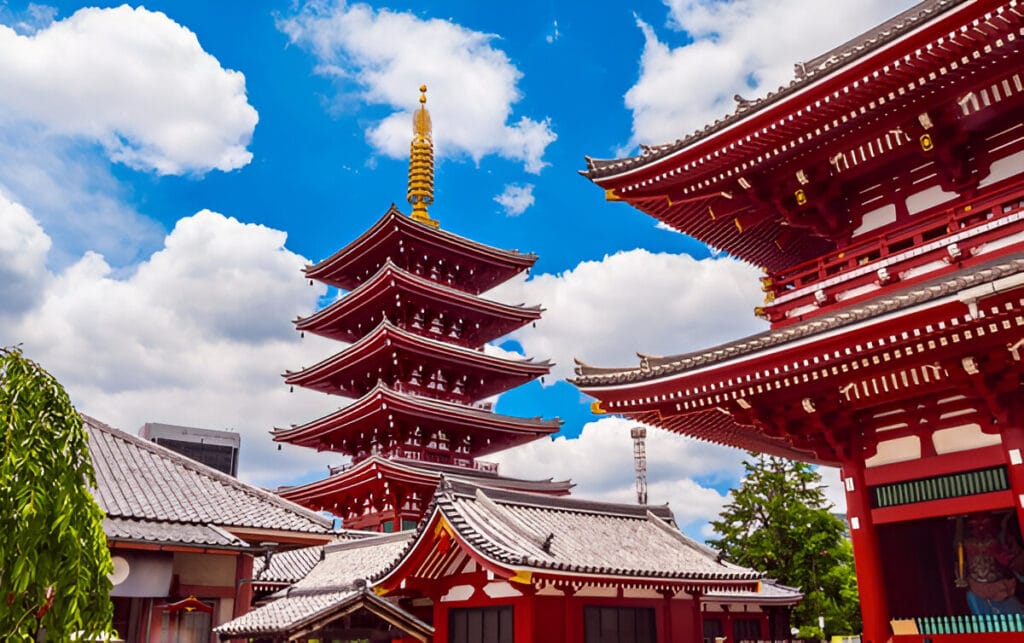
Tokyo is a city where the modern and the ancient coexist in perfect harmony. One minute you’re exploring the high-tech wonders of Akihabara, and the next, you’re visiting the serene Meiji Shrine. Shibuya Crossing is a must-see, especially at night when the neon lights create a dazzling spectacle. For a taste of traditional Tokyo, visit Asakusa and its famous Senso-ji Temple. The city is also a food lover’s paradise, from sushi at Tsukiji Market to street food in Harajuku.

3. The Tranquil Isles of Okinawa
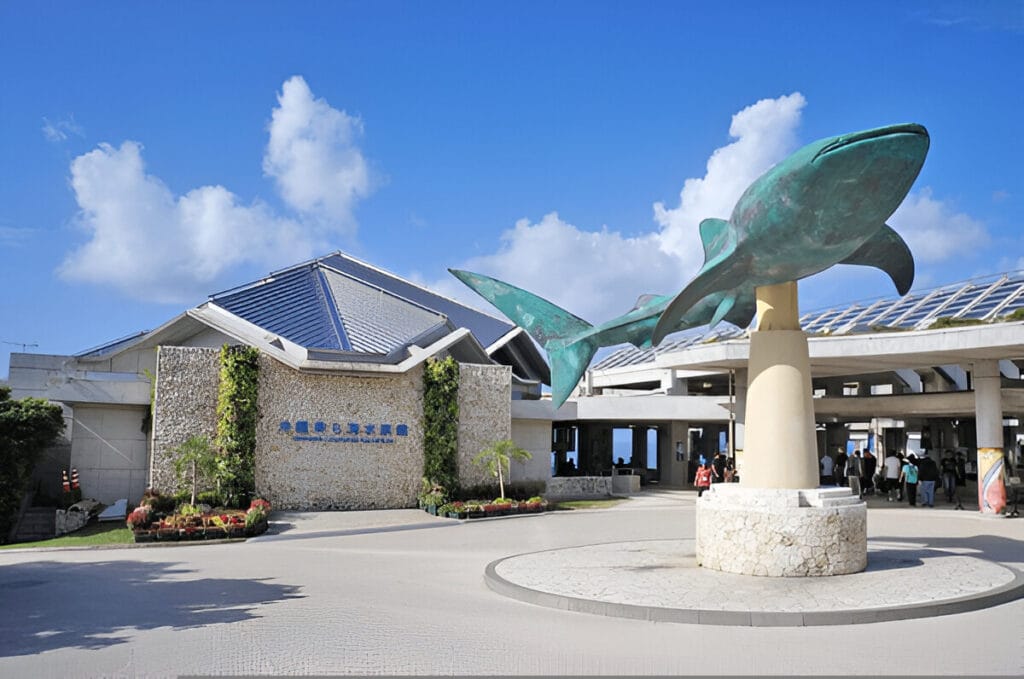
Okinawa, a chain of islands in the southern part of Japan, offers a tropical escape with crystal-clear waters and beautiful beaches. The main island, Okinawa Island, is home to the Okinawa Churaumi Aquarium, one of the largest in the world. Take a dive or snorkel trip to explore the vibrant coral reefs, or visit the Ryukyu Kingdom villages to learn about the unique history and culture of the region. If you’re feeling adventurous, head to the smaller islands like Ishigaki and Taketomi for a more secluded experience.


4. The Snow-Capped Mountains of Hokkaido
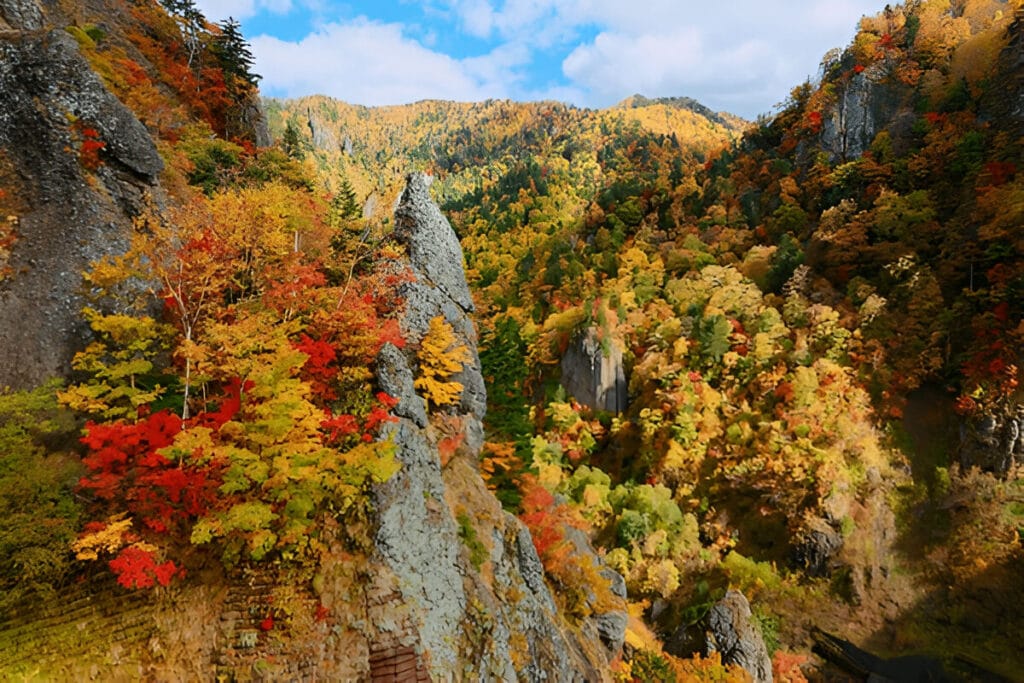
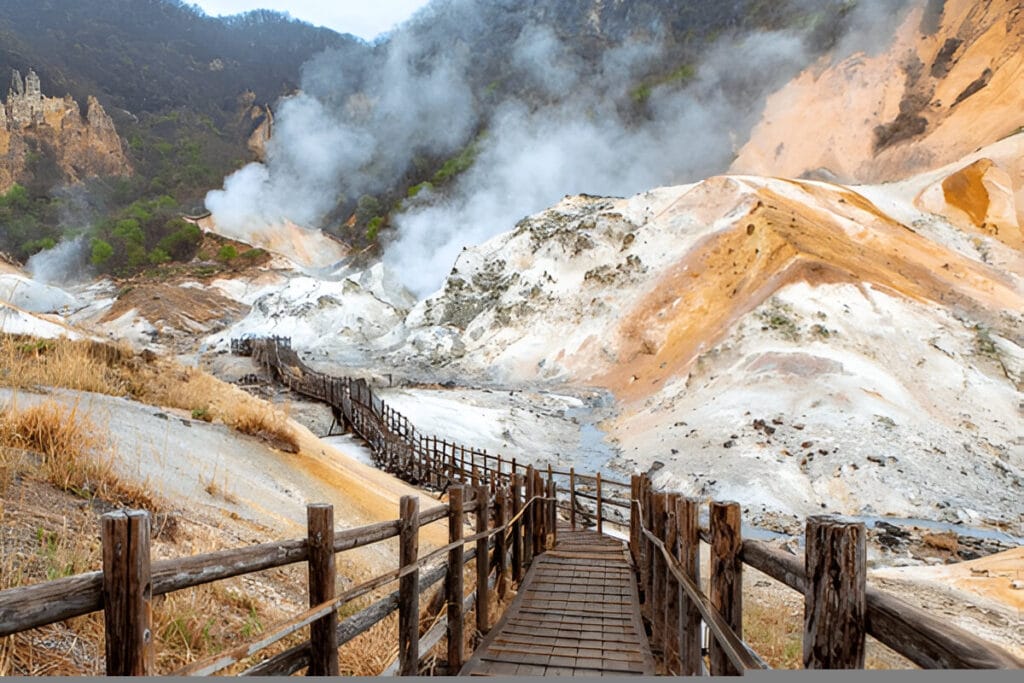
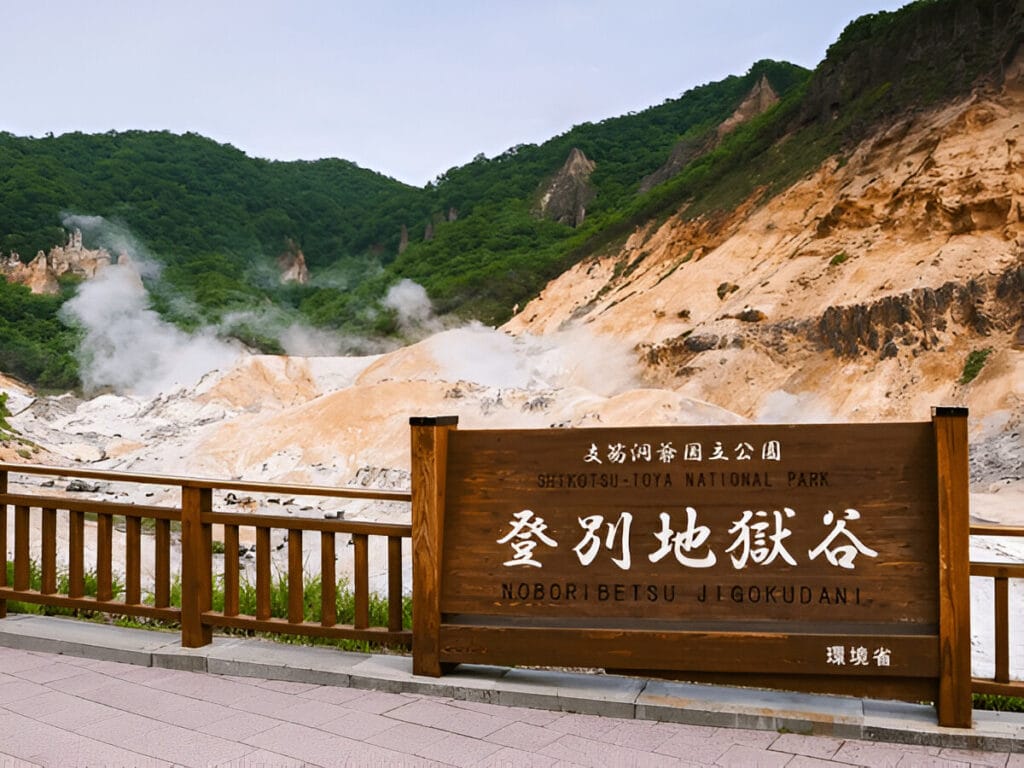
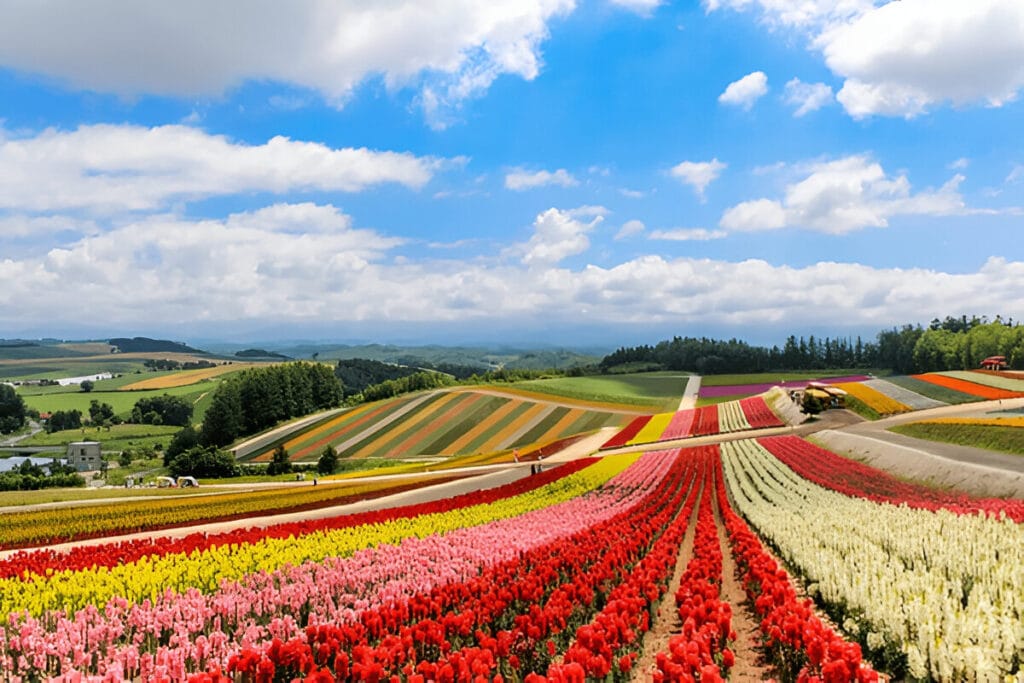
Hokkaido, Japan’s northernmost island, is a winter wonderland. The city of Sapporo is famous for its annual Snow Festival, where massive snow sculptures attract visitors from around the world. For a more peaceful experience, visit the hot springs of Noboribetsu or the beautiful lakes of Shikotsu-Toya National Park. In the summer, Hokkaido’s flower fields and hiking trails offer a refreshing escape from the heat.
5. The Historic Charm of Hiroshima and Miyajima
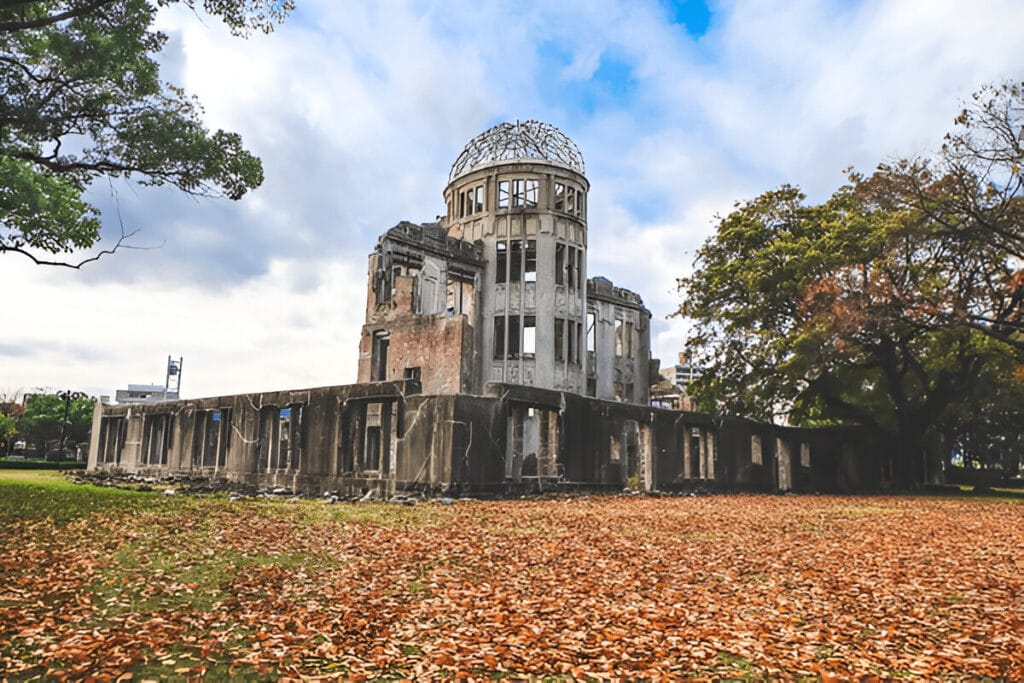
Hiroshima is a city of profound history and resilience. The Peace Memorial Park and Museum are essential visits for anyone seeking to understand the impact of the atomic bomb. Nearby, the island of Miyajima is a serene retreat with the iconic Itsukushima Shrine, whose torii gate appears to float on the water during high tide. Take a ferry to the island and enjoy a peaceful walk through the forests and along the shoreline.


Practical Travel Tips for Japan
1. Getting Around
Japan’s transportation system is one of the most efficient in the world. The Shinkansen, or bullet train, is a fast and reliable way to travel between major cities. For local travel, the JR Pass can save you a lot of money, especially if you plan on using trains frequently. Buses and taxis are also available, but they can be more expensive. Consider using a mobile app like HyperDia to plan your routes and check schedules.
2. Accommodation Options
Japan offers a wide range of accommodation options to suit every budget and preference. From luxury hotels in Tokyo to traditional ryokans (Japanese inns) in Kyoto, you’ll find something to make your stay comfortable. Capsule hotels are a unique and affordable option, especially in urban areas. Airbnb is also popular, offering a more local experience.
3. Eating Like a Local
Japanese cuisine is a highlight of any trip. Sushi, ramen, and tempura are just the tip of the iceberg. Try regional specialties like okonomiyaki in Osaka, sashimi in Hokkaido, and Okinawan soba in the south. Street food is a must, whether it’s takoyaki (octopus balls) in Osaka or yakitori (grilled chicken skewers) in Tokyo. For a truly authentic experience, join a cooking class or a food tour.
4. Cultural Etiquette
Respect for tradition and etiquette is deeply ingrained in Japanese culture. When visiting temples or shrines, remember to remove your shoes and bow slightly. Tipping is not customary in Japan, so there’s no need to leave extra money at restaurants or hotels. Always be mindful of your surroundings, especially on public transportation, where quiet is expected. Learning a few basic Japanese phrases like “arigatou” (thank you) and “sumimasen” (excuse me) can go a long way in making connections with locals.
5. Language and Communication
While many people in tourist areas speak some English, it’s helpful to learn a few key phrases in Japanese. Apps like Google Translate can be a lifesaver, especially when reading signs or menus. Consider picking up a pocket phrasebook or using a translation app on your smartphone. If you’re planning a longer stay, taking a short language course might be beneficial.
6. Technology and Connectivity
Japan is a tech-savvy country, and staying connected is easy. Most train stations and cafes offer free Wi-Fi, and you can rent a portable Wi-Fi device at the airport for a small fee. If you prefer, SIM cards are also available. For those who love to stay on top of things, downloading apps like Google Maps and a train navigation app can make your trip smoother.
Travel Safety Tips in Japan
1. Personal Safety
Japan is one of the safest countries in the world, with low crime rates and a strong sense of community. However, it’s always good to be aware of your surroundings, especially in crowded areas. Keep your belongings close, and use a money belt if you’re carrying a large amount of cash or valuables. In case of an emergency, dial 110 for the police or 119 for medical assistance.
2. Natural Disasters
Japan is prone to natural disasters, including earthquakes and typhoons. Before you travel, check the weather forecast and stay informed about any potential risks. Most buildings in Japan are earthquake-resistant, but it’s a good idea to know the evacuation procedures for your accommodation. If you’re staying in a ryokan or traditional inn, ask the staff about emergency exits and shelter locations.
3. Health and Hygiene
While Japan is known for its cleanliness, it’s still important to take health precautions. Wash your hands frequently, and use hand sanitizer when it’s available. If you have specific health needs, make sure to bring any necessary medications and have a list of local hospitals and clinics. Public restrooms are generally clean and well-maintained, and many have automatic flushing and cleaning systems.
4. Travel Insurance
Always travel with insurance. Japan has excellent medical facilities, but healthcare can be expensive. Travel insurance can cover medical expenses, trip cancellations, and lost luggage. Choose a policy that fits your needs and provides the right level of coverage for your trip.
5. Traffic Safety
If you plan to rent a car or ride a bicycle, be aware that Japan drives on the left side of the road. Pedestrian crossings are generally safe, but always look both ways before crossing. In urban areas, avoid jaywalking and follow the traffic signals. If you’re using public transportation, be aware of rush hour periods when trains and buses can get very crowded.
Insider Tips from Local Travelers
1. Off-the-Beaten-Path Destinations
While the major cities are incredible, don’t overlook the smaller towns and rural areas. Takayama in the Japan Alps offers a charming, old-world atmosphere with well-preserved traditional architecture. The island of Naoshima is a haven for art lovers, with several museums and installations scattered throughout. For a unique cultural experience, visit the Jomon Sugi tree on Yakushima, one of the oldest and largest cedar trees in Japan.
2. Seasonal Events and Festivals
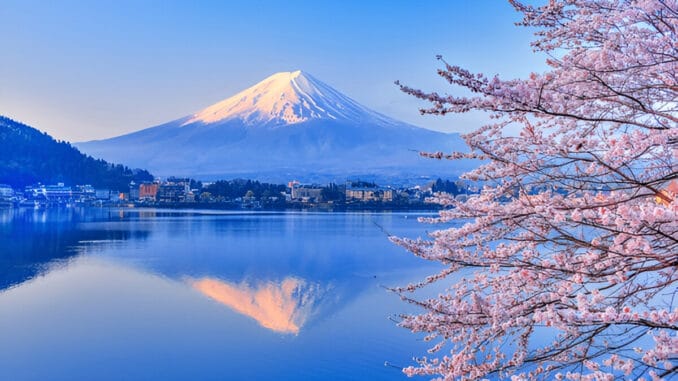
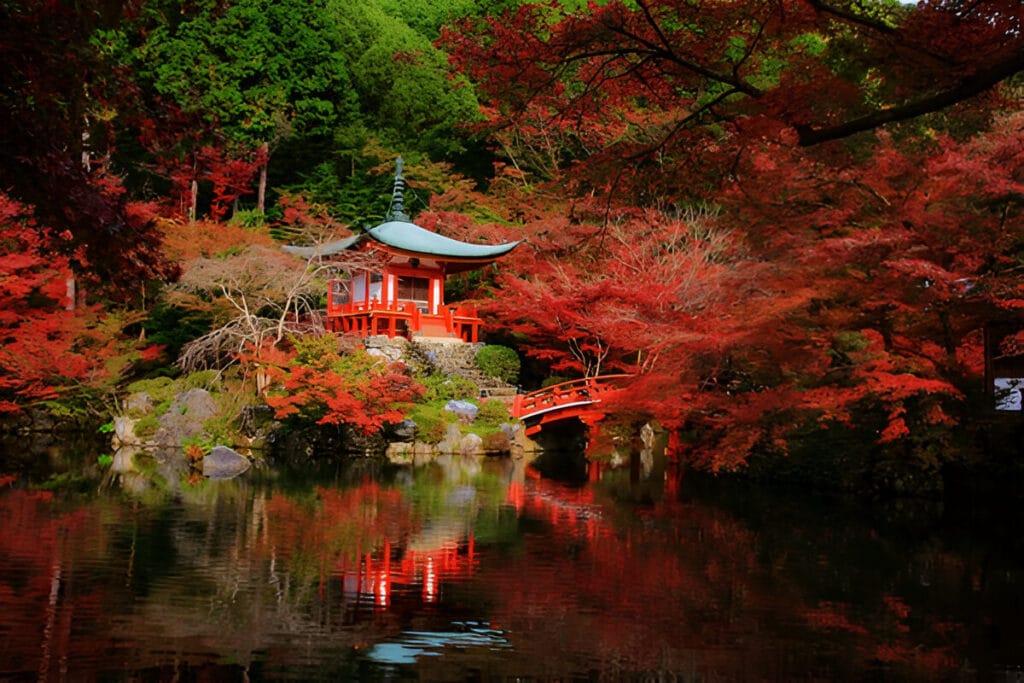
Japan is rich in seasonal events and festivals. Cherry blossom season (late March to early April) is a beautiful time to visit, with parks and temples adorned with pink flowers. The Gion Matsuri in Kyoto (July) is one of the most famous festivals, featuring elaborate floats and traditional performances. In the fall, the colors of the leaves in places like Nikko and Kyoto create a stunning visual spectacle.
3. Traditional Experiences
Immerse yourself in Japanese culture by participating in traditional activities. Try a tea ceremony in Kyoto, where you’ll learn about the rituals and symbolism behind this ancient practice. Visit a sumo stable in Tokyo to watch a practice session and see the wrestlers up close. For a truly unique experience, spend a night in a ryokan and enjoy the traditional amenities like hot spring baths and kaiseki meals.
4. Shopping and Souvenirs
Japan is a shopper’s paradise, with everything from high-end fashion to quirky souvenirs. In Tokyo, the Ginza district is known for its luxury brands, while Shibuya and Harajuku offer more eclectic and trendy options. For traditional crafts and souvenirs, visit the Nara and Kyoto markets. Don’t forget to explore the many local markets and shops, where you can find handmade items and unique gifts.
5. Etiquette in Public Bathing
Public baths, or onsen, are a quintessential part of Japanese culture. When visiting an onsen, remember to bathe before entering the hot springs. It’s common to wash thoroughly at the provided stations. Respect the rules, such as not wearing swimsuits and not getting your hair wet in the tub. Many onsen are gender-separated, so be sure to enter the correct area.
Embrace the Journey
Japan is a country that will capture your heart with its beauty, culture, and warmth. Whether you’re exploring the bustling streets of Tokyo, the serene temples of Kyoto, or the tropical beaches of Okinawa, every moment is an opportunity to create lasting memories. Embrace the journey, be open to new experiences, and remember that the best part of travel is the people you meet along the way. Safe travels, and may your trip to Japan be one of the most memorable of your life!


Be the first to comment