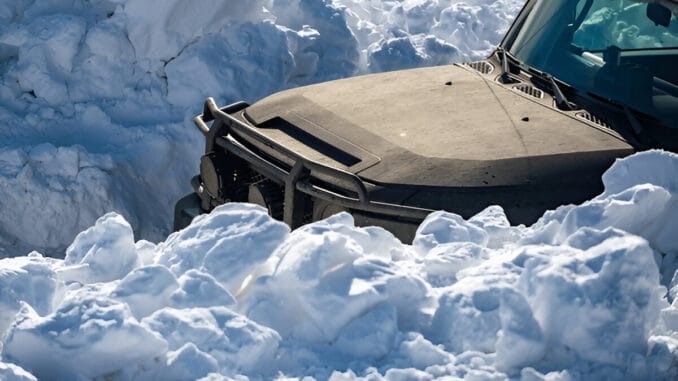
Winter brings with it a serene beauty, but it also presents unique challenges for drivers. Whether you’re commuting to work, heading out for a family visit, or just enjoying a winter getaway, it’s crucial to consider which vehicle is best suited for those snowy and icy conditions. Here, we’ll explore the best vehicles for winter driving, the importance of different drivetrain configurations, safety tips for winter driving, and the role of winter tires in ensuring a safe journey.
Best Vehicles for Winter Driving
When it comes to winter driving, the type of vehicle you drive can make a significant difference in your safety and comfort. Below are some top choices in various categories:
SUVs and Crossovers
- Subaru Outback: With standard all-wheel drive (AWD) and excellent ground clearance, the Outback is a favorite among winter enthusiasts. It features a robust build that can handle snow-covered roads with ease.
- Toyota RAV4: Known for its reliability and versatility, the RAV4 also offers an AWD option. This compact SUV provides a comfortable ride and sufficient space for passengers and cargo.
- Nissan Rogue: The entry-level AWD option makes this compact SUV a solid contender for winter driving. Its efficient all-wheel drive system helps maintain traction in slippery conditions.
Trucks
- Nissan Frontier PRO-4X: A notable choice for those who love off-roading, the Frontier’s rugged capabilities make it ideal for various terrains, including snow and ice. Its advanced safety features enable safer winter driving.
- Ford F-150: This full-size truck is a perennial favorite with plenty of 4WD options that provide unmatched power and traction in harsh weather. Plus, it has ample cargo space for winter gear.
- Chevrolet Silverado: Renowned for its performance and durability, the Silverado offers a robust 4WD system perfect for tackling snow-covered roads and hauling heavy loads.
Sedans and Hatchbacks
- Toyota Camry: With a well-earned reputation for reliability, the Camry can be equipped with AWD, making it capable of navigating winter conditions while treating passengers to a smooth ride.
- Honda Civic: Known for its fuel efficiency and practicality, the Civic comes with a well-balanced handling that can perform well in light winter conditions, especially in its newer AWD variants.
Electric Vehicles
Concerned about how electric vehicles hold up in snowy weather? Many people wonder whether going electric, say with a Tesla, means sacrificing winter performance.
- Tesla Model Y: This all-electric SUV features an AWD system, allowing it to handle winter weather impressively. The instant torque provided by electric motors gives it a performance edge on slippery surfaces.
- Ford Mustang Mach-E: Yet another reliable electric option that’s been tagged for winter driving, thanks to its AWD capabilities and intelligent traction control.
Understanding Drivetrain Configurations
Choosing between all-wheel drive (AWD), four-wheel drive (4WD), rear-wheel drive (RWD), or front-wheel drive (FWD) can significantly influence your winter driving experience.
All-Wheel Drive (AWD)
AWD is ideal for drivers who encounter variable winter conditions. It automatically distributes power to all four wheels when needed, providing greater control and traction. This system is typically found in SUVs and higher-end cars, such as the Subaru Outback and Audi Q5.
Four-Wheel Drive (4WD)
4WD is a more robust system usually found in trucks and off-road vehicles. It is particularly beneficial for severe winter conditions and rugged terrain. The Nissan Frontier PRO-4X is an excellent example that stands up to extreme weather while allowing for off-road adventures.
Front-Wheel Drive (FWD)
While not as effective as AWD or 4WD, FWD vehicles can still perform adequately in light snow. They generally provide better traction than RWD vehicles due to the weight of the engine over the drive wheels. Sedans like the Toyota Camry and Honda Civic are solid choices with FWD systems.
Rear-Wheel Drive (RWD)
RWD is least favorable for winter driving, as it can easily lose traction on slick roads. However, some luxury sedans or sports cars might feature advanced stability systems that can help keep you safer, albeit at the cost of optimal handling in snowy conditions.
Keeping Yourself and Your Car Safe in Winter
Regardless of your vehicle’s capabilities, winter driving can be perilous. Here are some essential safety tips:
Prepare Your Vehicle
- Winter Tires: Regardless of whether you drive an electric car or a diesel truck, investing in a good set of winter tires is paramount. These tires are designed to grip the road better in snowy and icy conditions.
- Battery Check: Cold weather can drain batteries quickly. Ensure your battery is in good condition before the winter season hits.
- Fluid Levels: Check antifreeze, windshield washer fluid (make sure it’s rated for low temperatures), and oil levels. Keeping these topped up can prevent your engine from freezing and enhance visibility.
- Wiper Blades: Replace worn wiper blades to ensure clear visibility during snow or rain. Consider winter blades, which are more effective in harsh weather.
On the Road
- Slow Down: Acceleration and stopping can be slippery; therefore, reduce your speed and give yourself extra time to react.
- Maintain Distance: Keep a safe distance from the vehicle in front of you to allow ample stopping distance.
- Plan Your Route: Before heading out, check the weather forecast and road conditions to avoid treacherous areas.
In Case of an Emergency
- Emergency Kit: Always keep an emergency kit in the trunk. Include a flashlight, blanket, snacks, a first-aid kit, and water. Chains for your tires can also be beneficial if you live in particularly snowy regions.
- Know the Signs: Learn to recognize signs of losing traction or drifting, allowing you to correct your steering early and safely.
Conclusion
Finding the right vehicle for winter driving is essential for safety and comfort. Whether you opt for an SUV with AWD, a sturdy truck, or even a reliable sedan, understanding how each drivetrain works can help you make more informed decisions. Remember, however, that preparation goes beyond just selecting the right vehicle. Investing in quality winter tires and practicing safe driving habits are vital components to navigating winter roads successfully.
So, as the snow begins to fall, take care of yourself and your vehicle, and enjoy the beauty that this winter season has to offer! Safe travels!

Be the first to comment