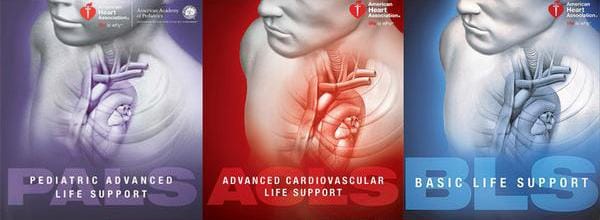
In the fast-paced world of emergency medicine, quick and efficient decision-making is crucial. Advanced healthcare providers, including physicians, nurses, and paramedics, rely on standardized protocols to ensure the best possible outcomes for their patients. The Basic Life Support (BLS), Advanced Cardiovascular Life Support (ACLS), and Pediatric Advanced Life Support (PALS) algorithms are foundational tools in this process. This guide aims to provide a quick reference for these algorithms, emphasizing key steps, decision points, and considerations for each. Whether you are a seasoned practitioner or a medical student, this guide will serve as a valuable resource in emergency situations.
To gain a comprehensive understanding, please study and familiarize yourself with the algorithms and guidelines provided by the American Heart Association.
Basic Life Support (BLS) Algorithm
Overview
Basic Life Support (BLS) is the foundation of resuscitation, focusing on the immediate response to cardiac arrest and other life-threatening emergencies. The BLS algorithm is designed to be simple and easy to follow, ensuring that life-sustaining interventions are initiated promptly.
Key Components
1. Assessment of Unresponsiveness
- Check Responsiveness: Tap the patient’s shoulder and shout, “Are you okay?” to determine if they are responsive.
- Call for Help: If the patient is unresponsive, immediately call for emergency medical services (EMS) or activate the emergency response system (e.g., hospital code team).
2. Airway Management
- Open the Airway: Place the patient on a firm, flat surface and use the head-tilt, chin-lift maneuver to open the airway.
- Check for Breathing: Look, listen, and feel for no more than 10 seconds to determine if the patient is breathing normally.
3. Circulation and Compressions
- Initiate Chest Compressions: If the patient is not breathing or is only gasping, begin high-quality chest compressions at a rate of 100-120 compressions per minute and a depth of 2-2.4 inches (5-6 cm).
- Rescue Breaths: After 30 compressions, provide 2 rescue breaths, ensuring that the chest rises with each breath.
4. Automated External Defibrillator (AED)
- Apply AED as Soon as Available: Once the AED arrives, turn it on and follow the prompts. Place the pads on the patient’s chest and deliver a shock if indicated.
5. Continuation of CPR
- Cycle of Compressions and Breaths: Continue cycles of 30 compressions to 2 breaths until EMS arrives, an AED is available, or the patient shows signs of life.
Special Considerations
- Special Populations: Consider modifications for pregnant women, patients with suspected cervical spine injuries, and infants/children.
- High-Quality CPR: Ensure that compressions are uninterrupted, with minimal interruptions, and that the chest fully recoils after each compression.
Advanced Cardiovascular Life Support (ACLS) Algorithm
Overview
Advanced Cardiovascular Life Support (ACLS) builds upon the BLS algorithm and is designed for healthcare providers who are responsible for the resuscitation of adults in out-of-hospital and in-hospital settings. ACLS emphasizes the use of advanced interventions, such as defibrillation, medication administration, and advanced airway management.
Key Components
1. Initial Assessment
- BLS Steps: Follow the BLS algorithm to ensure the patient is receiving high-quality CPR.
- Primary Survey: Assess the patient’s airway, breathing, and circulation (ABCs). Identify and treat any immediate life threats.
2. Rhythm Analysis and Defibrillation
- Rhythm Analysis: Use a monitor to determine the patient’s cardiac rhythm. Identify if the patient is in ventricular fibrillation (VF) or pulseless ventricular tachycardia (VT).
- Defibrillation: Deliver a shock at 200 joules (J) for VF/VT. If the first shock is unsuccessful, escalate to 300 J and then 360 J.
3. Medication Administration
- Epinephrine: Administer 1 mg of epinephrine every 3-5 minutes.
- Amiodarone: For refractory VF/VT, administer 300 mg IV/IO initially, followed by an additional 150 mg if needed.
- Other Medications: Consider the use of vasopressors, antiarrhythmics, and other drugs based on the patient’s specific condition and response to treatment.
4. Advanced Airway Management
- Intubation: Consider advanced airway management, such as intubation, if the patient’s condition warrants it.
- Ventilation: Provide ventilation at a rate of 1 breath every 6 seconds (10 breaths per minute) during advanced airway management.
5. Post-Defibrillation Care
- Reassessment: After defibrillation, reassess the patient’s rhythm and provide 2 minutes of high-quality CPR.
- Post-Resuscitation Care: Once the patient regains a pulse, focus on post-resuscitation care, including optimizing oxygenation and ventilation, controlling intracranial pressure, and managing other complications.
Special Considerations
- Pacing and Transcutaneous Pacing: Consider pacing for bradycardia with poor perfusion.
- Refractory Arrest: In cases of refractory arrest, consider advanced interventions such as intravenous (IV) access, central venous catheterization, and consultation with a cardiologist.
Pediatric Advanced Life Support (PALS) Algorithm
Overview
Pediatric Advanced Life Support (PALS) is a comprehensive program for healthcare providers responsible for the resuscitation of infants and children. PALS emphasizes the use of age-appropriate interventions and the unique considerations of pediatric patients.
Key Components
1. Initial Assessment
- BLS Steps: Follow the BLS algorithm, including checking responsiveness, calling for help, and initiating CPR.
- Primary Survey: Assess the patient’s airway, breathing, and circulation (ABCs). Identify and treat any immediate life threats.
2. Rhythm Analysis and Defibrillation
- Rhythm Analysis: Use a monitor to determine the patient’s cardiac rhythm. Identify if the patient is in ventricular fibrillation (VF) or pulseless ventricular tachycardia (VT).
- Defibrillation: For infants, use 2 J/kg for the first shock and 4 J/kg for subsequent shocks. For children, use 2 J/kg for the first shock and 4 J/kg or 100 J for subsequent shocks.
3. Medication Administration
- Epinephrine: Administer 0.01 mg/kg (0.1 mg/mL concentration) every 3-5 minutes.
- Amiodarone: For refractory VF/VT, administer 5 mg/kg IV/IO initially, followed by 15 mg/kg if needed.
- Other Medications: Consider the use of vasopressors, antiarrhythmics, and other drugs based on the patient’s specific condition and response to treatment.
4. Advanced Airway Management
- Bag-Valve-Mask (BVM) Ventilation: Use BVM ventilation at a rate of 1 breath every 3 seconds (20 breaths per minute) before intubation.
- Intubation: Consider intubation if the patient’s condition warrants it. Ensure the correct size of endotracheal tube (ETT) is used based on the patient’s age and size.
5. Post-Defibrillation Care
- Reassessment: After defibrillation, reassess the patient’s rhythm and provide 2 minutes of high-quality CPR.
- Post-Resuscitation Care: Once the patient regains a pulse, focus on post-resuscitation care, including optimizing oxygenation and ventilation, controlling intracranial pressure, and managing other complications.
Special Considerations
- Age and Size: Tailor all interventions, including drug dosages and equipment sizes, to the patient’s age and size.
- Respiratory Distress and Failure: Early recognition and management of respiratory distress and failure are critical in pediatric patients. Consider the use of nebulized bronchodilators, corticosteroids, and other respiratory support measures.
- Hypothermia and Hyperthermia: Manage temperature abnormalities aggressively, as they can significantly impact the patient’s outcome.
Comparative Analysis of BLS, ACLS, and PALS Algorithms
Common Elements
- High-Quality CPR: All three algorithms emphasize the importance of high-quality CPR, including proper compression depth, rate, and minimizing interruptions.
- Rhythm Analysis: Each algorithm includes steps for rhythm analysis and the appropriate use of defibrillation.
- Airway Management: Airway management is a critical component in all three algorithms, with the use of BVM ventilation and intubation as needed.
Differences
- Patient Population: BLS is applicable to all age groups, while ACLS is specifically for adults and PALS is for infants and children.
- Drug Dosing: Drug dosages vary significantly between adult and pediatric patients. For example, the dose of epinephrine in ACLS is 1 mg, while in PALS it is 0.01 mg/kg.
- Defibrillation Energy: The energy levels for defibrillation are different for adults and children. Adults are typically defibrillated at 200-360 J, while infants and children receive 2-4 J/kg.
- Advanced Interventions: ACLS includes a broader range of advanced interventions, such as central venous catheterization and pacing, which are less commonly required in PALS.
Integration and Cross-Training
- Cross-Training: Healthcare providers often benefit from cross-training in BLS, ACLS, and PALS to ensure they are prepared for a wide range of emergencies.
- Team Dynamics: Effective resuscitation requires clear communication and a well-coordinated team. Practicing these algorithms in a team setting can enhance overall performance and patient outcomes.
Practical Tips for Effective Resuscitation
Preparation
- Regular Training: Participate in regular BLS, ACLS, and PALS training to maintain proficiency and stay updated on the latest guidelines.
- Simulation Drills: Conduct simulation drills to practice critical decision-making and team dynamics in a controlled environment.
Execution
- Team Roles: Assign specific roles to team members, such as compressor, airway manager, and medication administrator, to ensure a coordinated response.
- Quality Control: Monitor the quality of CPR, including compression depth and rate, to ensure optimal outcomes.
- Documentation: Maintain meticulous documentation of the resuscitation process, including times, medications administered, and interventions performed.
Follow-Up
- Debriefing: Conduct a debriefing session after the resuscitation to review what went well and identify areas for improvement.
- Post-Resuscitation Care: Focus on post-resuscitation care to optimize the patient’s recovery and minimize complications.
Conclusion
The BLS, ACLS, and PALS algorithms are essential tools for healthcare providers in emergency situations. By understanding and mastering these algorithms, you can provide high-quality, evidence-based care that improves patient outcomes. Regular training, simulation drills, and team coordination are crucial components of effective resuscitation. Whether you are a physician, nurse, or paramedic, these quick algorithm guides will serve as a valuable resource in your practice.
References
- American Heart Association. (2020). 2020 American Heart Association Guidelines for Cardiopulmonary Resuscitation and Emergency Cardiovascular Care.
- American Heart Association. (2020). HeartRescue Project: Advanced Life Support (ALS) and Post-Resuscitation Care.
- American Heart Association. (2020). Pediatric Advanced Life Support (PALS) Provider Manual.
By adhering to these guidelines and continuously refining your skills, you can contribute to the advancement of emergency care and the saving of lives!
Be the first to comment