
Navigating residency audition rotations and interviews may seem overwhelming, but by adopting the right mindset and strategies, we can present ourselves as competent and dedicated candidates. By taking proactive steps, fostering relationships, communicating effectively, and demonstrating professionalism, we position ourselves as future residents that programs will eagerly want to invest in. Remember, we are not merely making appearances; we are showcasing our potential as trusted colleagues and caregivers in the medical field. Embrace these opportunities with confidence, and you may discover that the journey is more rewarding than you ever imagined.
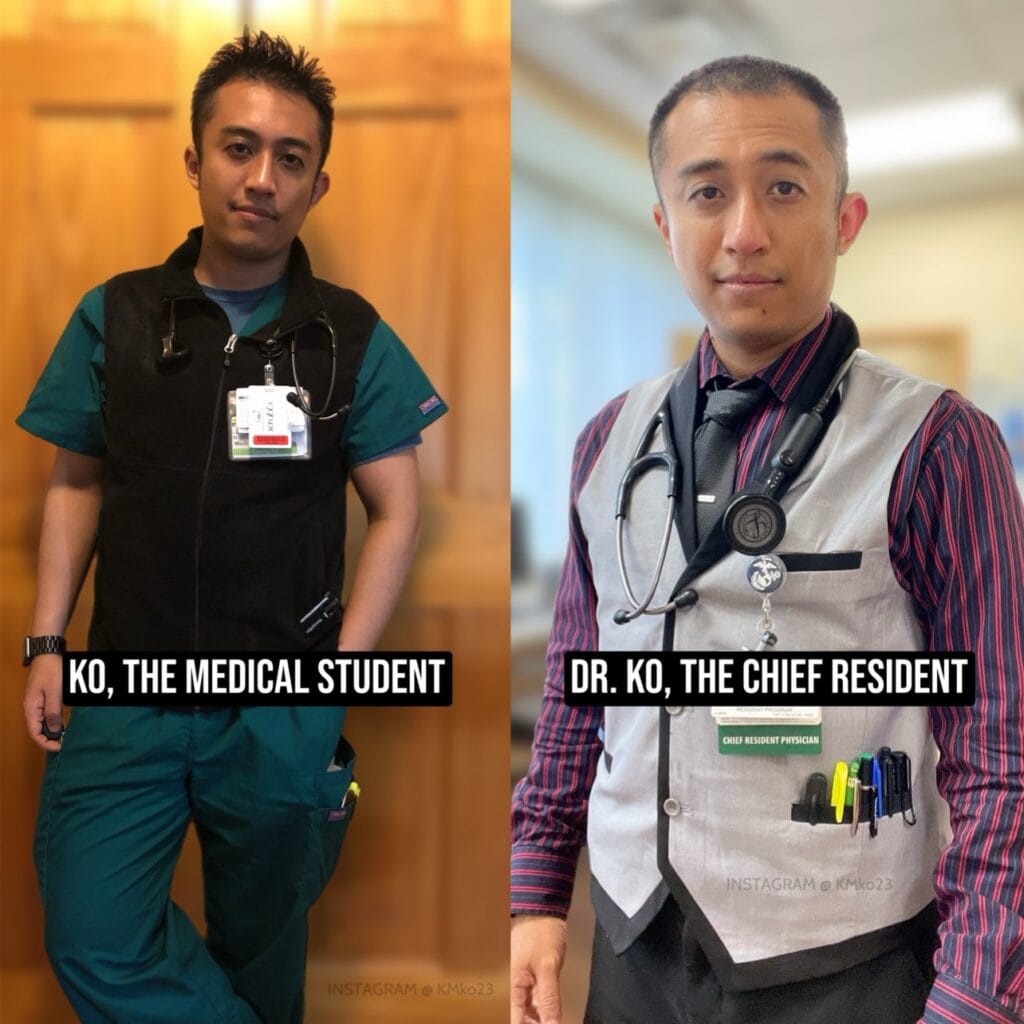
As I near the end of my residency, I reflect on my journey and the diverse array of audition rotation students I have encountered. I have worked diligently since medical school to secure my residency position, and now, I proudly stand as a chief resident in my senior year. I recognize the significant impact that audition rotations and interviews have on our medical career trajectories during this critical transition from student to resident. These experiences present invaluable opportunities for us to demonstrate our potential as future residents.
Here, I will share effective strategies and insights that have guided me through this important phase. By adopting a proactive mindset and showcasing professionalism, we can significantly enhance our chances for success.
The Significance of First Impressions
Entering a new clinical environment requires a keen awareness of the importance of first impressions. Residency audition rotations offer a unique opportunity to showcase your skills, attitude, and dedication. I have learned that demonstrating proactivity and respect can distinguish you from other candidates. Here are several strategies to help you make a positive impact from the very first day.
1. Demonstrate Initiative
During my audition rotations, I recognized that simply completing assigned tasks was insufficient. I actively sought out additional responsibilities whenever possible. For instance, I volunteered to assist with procedures or conduct follow-ups with patients. This approach not only demonstrated my eagerness to learn but also showcased my commitment to providing excellent patient care.
2. Build Relationships
Establishing strong relationships with current residents and staff is crucial. I actively introduced myself to everyone, including attending physicians, nurses, and both essential and non-essential staff, as each person plays a valuable role. By engaging in meaningful conversations, asking thoughtful questions, and showing sincere interest in their experiences, I fostered connections that will be advantageous over time. Keep in mind, success is not solely determined by your knowledge, but also by the relationships you cultivate and the depth of those connections.
The Art of Communication
Effective communication serves as a cornerstone for successful residency rotations and interviews. It is essential to convey thoughts clearly and professionally.
3. Listen Actively
During discussions with patients, their families, attending physicians, fellow residents, and other staff members involved in patient care, I recognized the importance of active listening. By giving my full attention and responding thoughtfully, I demonstrated respect for their expertise. This practice not only enhanced my understanding of complex medical topics but also fostered trust within the team.
4. Ask Meaningful Questions
Asking questions reflects critical thinking skills and curiosity. I made it a habit to pose questions that encourage further discussion. For example, instead of asking, “What does this medication do?” I would also ask, “What are the implications of this medication on long-term patient outcomes?” This approach often led to deeper conversations and highlighted my engagement with the material.
Professionalism Matters
Embracing professionalism extends beyond your attire; it includes your behavior, communication, and overall attitude.
5. Dress the Part
Throughout my rotations, I observed that wearing appropriate attire, unless specifically required to wear non-professional clothing such as scrubs, significantly influences perceptions. I chose professional clothing that balanced comfort with respect for the clinical environment. This decision not only boosted my confidence but also conveyed my commitment to the role.
6. Be Punctual and Reliable
Demonstrating punctuality and reliability stands as a cornerstone of effective healthcare practice. I prioritized arriving early for my shifts and efficiently completing my tasks. This dedication established me as a dependable team member, a quality that holds great value in any residency program.
Preparing for Residency Interviews
Upon successfully completing your audition rotations, or even during one for some, you will take the next step: the residency interview. This moment offers a valuable opportunity to reflect on your experiences and express your aspirations.
7. Reflect on Your Journey
Before each interview, take the time to reflect on your medical journey, including the challenges you have faced and the triumphs you have achieved. Understanding your motivations and experiences will empower you to articulate your passion for medicine more effectively. This self-awareness will facilitate your ability to answer common interview questions and share your unique story.
8. Practice, Practice, Practice
Preparation is essential for interview success. Engage in practice sessions with peers and mentors using common interview questions, which will help you build confidence. Having a few personal anecdotes ready to illustrate your skills and values will enhance your responses, as personal stories resonate more deeply than generic answers.
9. Follow Up
After each interview, take the initiative to send a thoughtful thank-you email to express your gratitude for the opportunity. This small yet significant gesture will reinforce your enthusiasm for the program and leave a lasting impression on the interviewers.
Wishing you the best of luck as you embark on your journey to become an intern in a medical residency. You have the potential to be a co-worker that everyone appreciates and a professional that patients will admire!


Be the first to comment